Nepal road watch
Nepal's public map of road damage.
Potholes, broken verges and failed drains, reported by the people who use the road. Every report keeps a photo, a location and a status that anyone can check.
Anyone can browse the map. A verified account is needed to report or confirm a hazard.
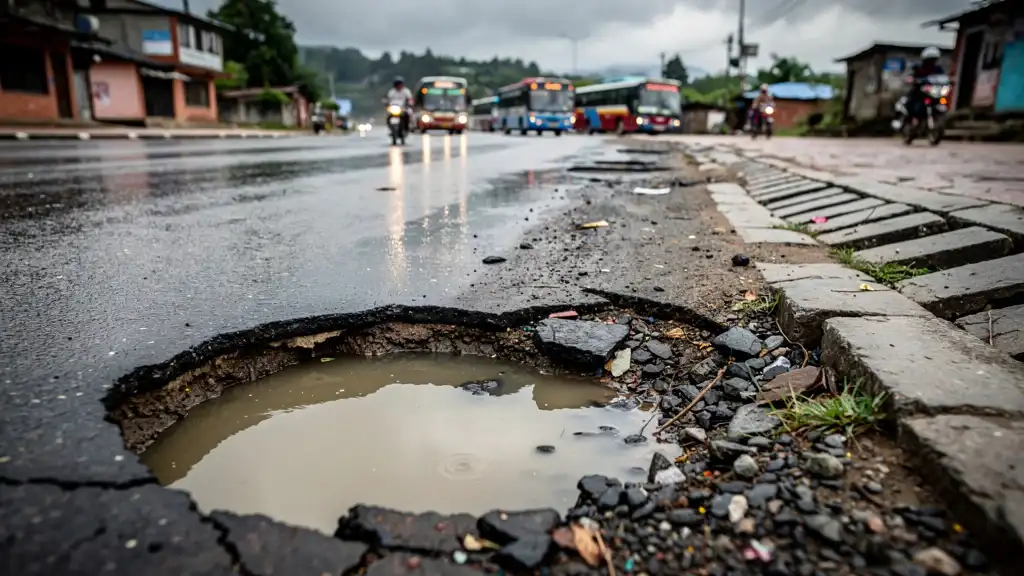
Live public record
What the map holds now
- Loading
- Loading
- Loading
- Loading
Coverage
Places on the map
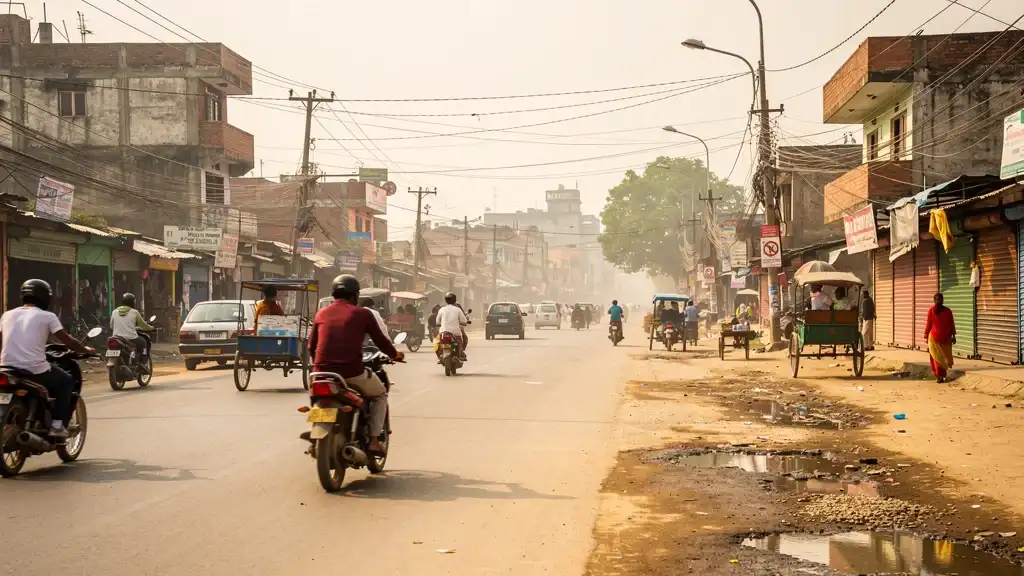
Four cities so far. Coverage grows when people report the roads they already travel.
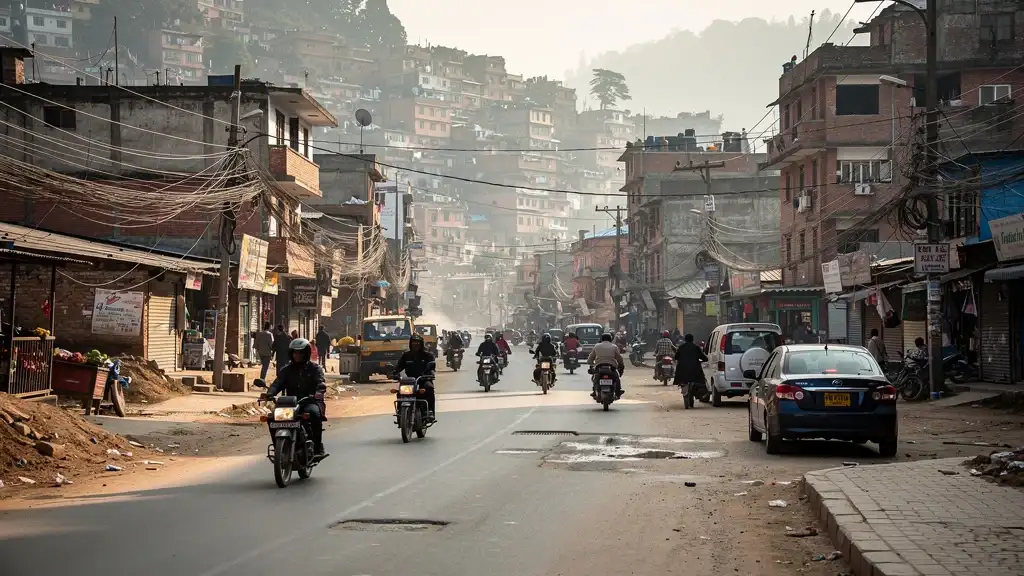
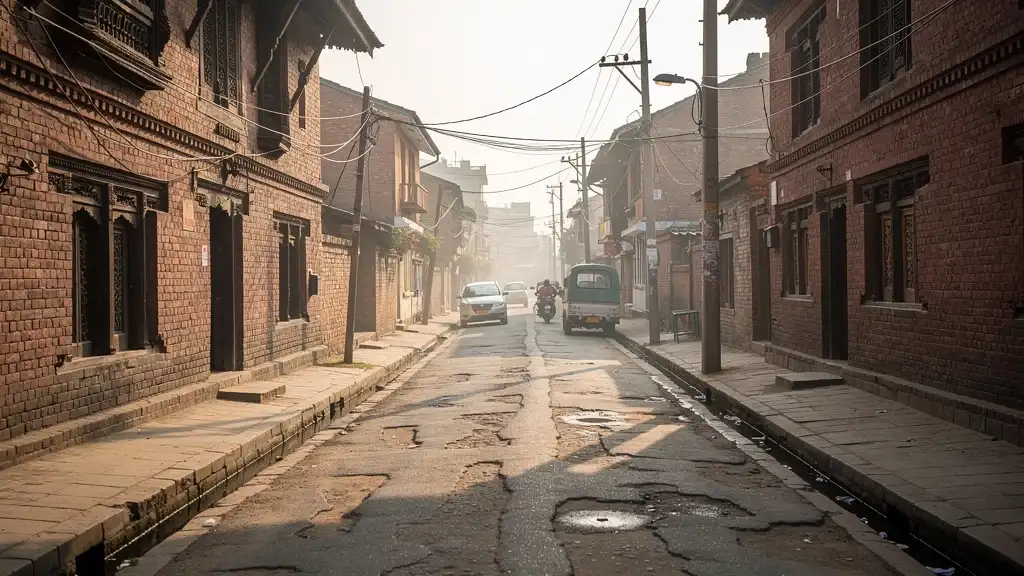
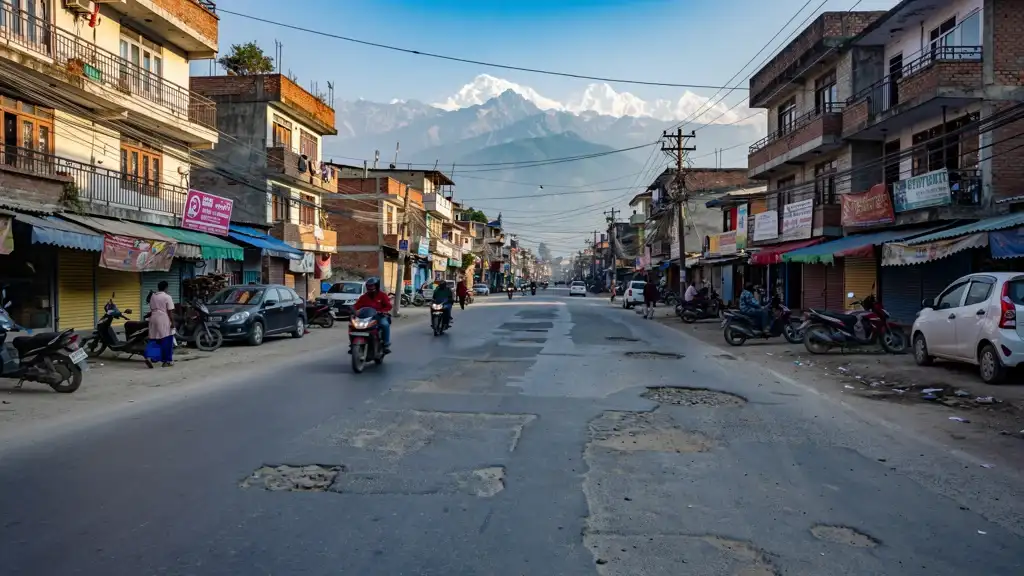
How a report moves
From a street photo to a public record.
Every report follows the same four steps, and each one is visible on the map.
Pin the road
Drop the report on the exact stretch, with a landmark and a direction.
Add evidence
One clear photo and a short description are enough to start.
Community confirms
People who use the road say whether the hazard is still there.
Follow the status
Reported, verified, in progress, resolved. The record stays open.
Why it is public
What stays public, and what stays private.
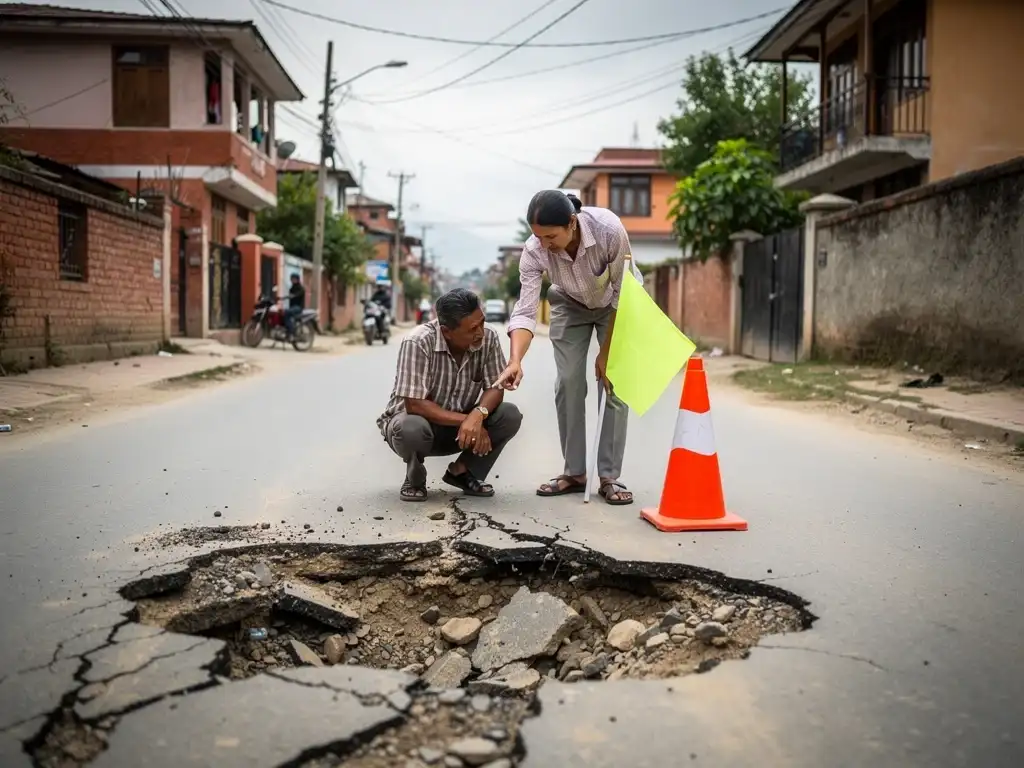
A road report is useful only if a stranger can check it. The people behind it are a different matter.
- Location first
- Every report starts with a precise point on the road, not a description of a neighbourhood.
- Public by default
- Anyone can see a report, its photos and its status. No account is needed to look.
- Evidence protected
- Photos are reviewed before they appear, and the reporter's identity stays private.
Volunteer
Walk the road you already know.
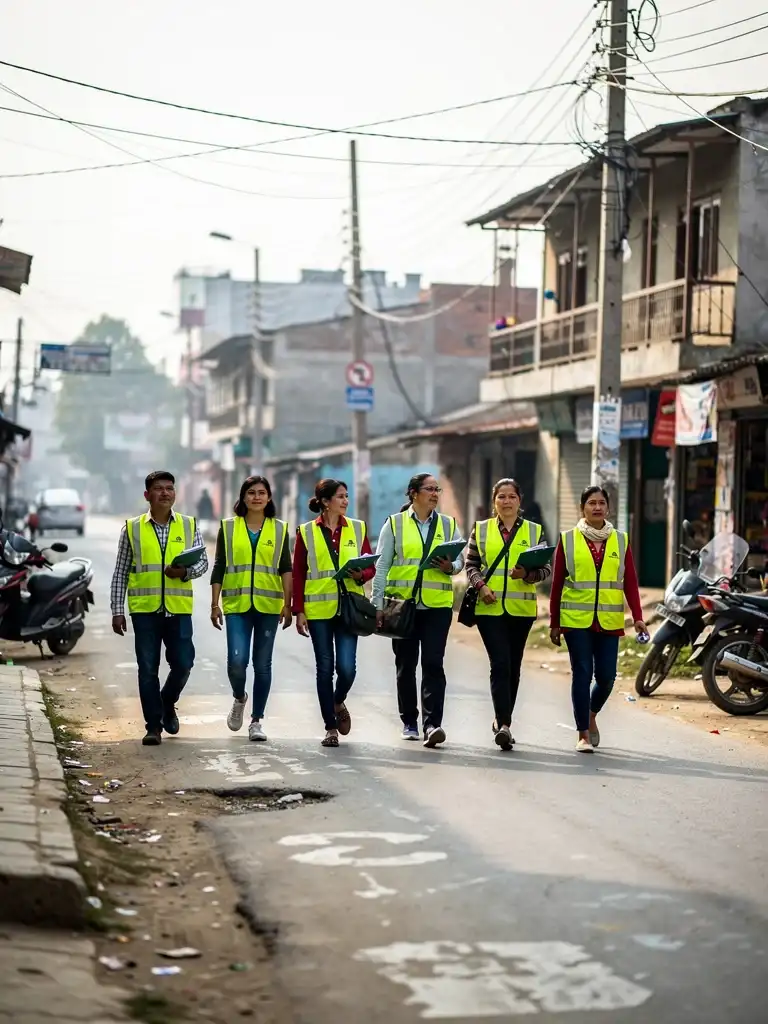
Volunteers confirm reports near where they live, so the map reflects what is actually on the ground.
Become a volunteer